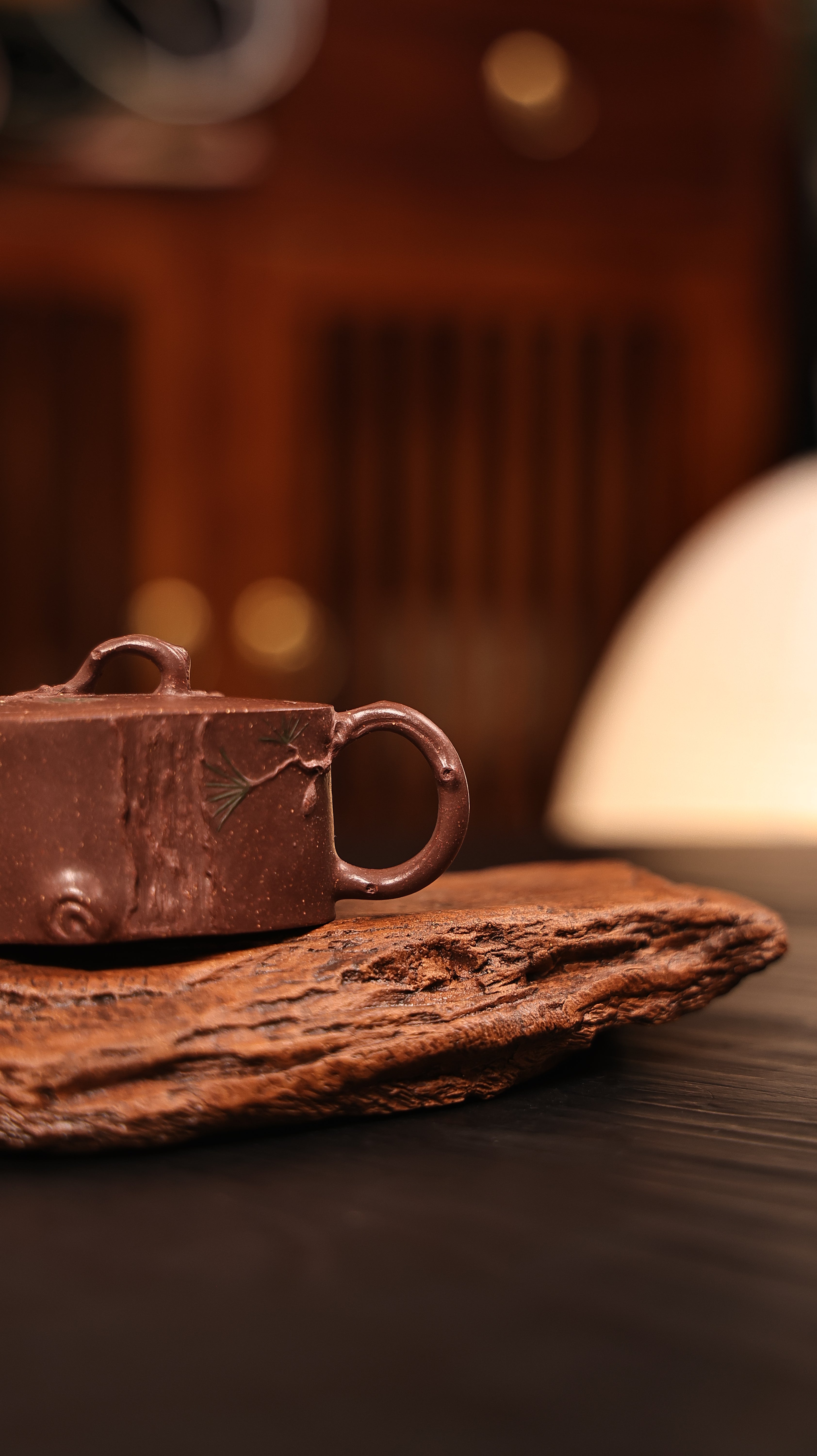
Generations in experts have long yearned the exclusive allure of Yixing Zisha earthenware. Founded in the secluded town of Yixing, the homeland, these amphorae are fabricated from a singular and harvested purple clay esteemed for its superior thermal traits and capability to boost the aroma of infusions. Apart from their functional significance, Zisha teapots illustrate a solid traditional legacy, making them highly admired and a undisputed jewel for any serious teapot enthusiast.
Uncovering Yixing Containers
Authentic teapots represent a distinct integration of history and traditional craftsmanship. Coming in Yixing, Jiangsu Sector of China, their narrative begins from the Ming Dynasty, although documentation suggest earlier manifestations. The exceptional maroon clay, called Zisha, found solely in the Yixing region, is the paramount component, contributing to the pots' unmatched heat maintenance and the manner they control the profile of tea. Successive eras of potters have mastered techniques—often handed over through families—including modeling the clay, applying decorative embellishments, and firing the pots at specific temperatures.- Earlier, Yixing teapots were often enhanced with simple designs.
- Subsequently, more detailed carvings and symbolic motifs became trendy.
- The heat application itself is a crucial element, requiring extended spans of practice.
Accumulating Zisha Teapots: Key Guidelines
Embarking on a venture to collect Zisha pots can be profitable, but it’s vital to discern what to examine. Authenticity is fundamental; focus on the earth’s natural tinge, a delicate reddish-brown is conventional. Examine the texture; genuine Zisha has a notable tactile sensation, often expressed as slightly uneven. The contour should be pleasing and consistent with historical styles, while inscriptions, if present, require careful examination for legitimacy. Don’t avoid to consult with experienced dealers or credible materials – their knowledge is indispensable.
Oriental Teapots: Discovering the Culture of famous Zisha
Years have seen Yixing Yixing Clay teapots keep a exceptional role in Chinese tradition. These carefully constructed pots, sourced specifically from the region of Yixing, are Chinese Teapot celebrated for their identifiable tint, quality, and their ability to enrich the aroma of brews. Several collectors value antique Yixing teapots, appreciating them profoundly not only for their aesthetic grace, but also for the chronicle they signify.
Yixing Zisha Teapots: Such Leading Sorts and Their Qualities
Purple Earthenware teapots, established in the genuine zone of Yixing, the realm, are distinguished for their exclusive clay and high-quality brewing capabilities. Within the many Zisha types, particular categories that are highly sought-after include Binzhou Purple Sand. Binzhou, known for its deep purple shade and polished texture, delivers a tempered flavor. Duan Ni category, recognizable by its mahogany color and moderately grainy feel, is regarded to enhance the weight. Lastly, Zhuni Zisha boasts an peculiar vermilion tone and can deliver a delightful nuance. Each type affords a alternative experience, enabling them extremely desirable to potion enthusiasts.
Refining One’s Zisha Cup
To realize the essence of your Yixing kettle, appreciating the correct way is crucial. These clay pots, celebrated for their texture, will incrementally take on the nature of the tea you infuse within them. Begin by washing the urn thoroughly with heated water. Then, use only premium unpacked leaf tea, as lower quality options can affect the clay’s delicate qualities. Always let the leaves to extend completely, and remember that with each steeping, your Yixing kettle will become continuously cherished.
Securing Your Priceless Zisha Treasure
Proper treatment for your Zisha kettle is crucial to maintaining its value and significance. Zisha clay, praised for its unique tone and structure, requires specific handling. Never use corrosive cleaners, as these can spoil the finish. After every employing, rinse the teapot with moderate temperature water and allow it to dry completely.
- Shun soaking the jar for extended durations.
- Sporadically use a soft rag to dress the exterior.
- Consider applying a thin layer of food-grade lubricant inside the urn after drying, which can prevent staining.
Introduction to Yixing Earthenware
Yixing kettles, originating from the Yixing area in Jiangsu Province, part of China, are celebrated for their distinctive peculiarities. Made from the unique purple ground known as Zisha, these pitchers are prized by tea enthusiasts worldwide. This overview will succinctly explain the pillars – covering types of Zisha soil, well-liked shapes, and fundamental care tips. Understanding the origin of Yixing containers can boost your appreciation for this acclaimed example of Chinese heritage.
Mastery of Han Kettles: Presenting Zisha originating in the Yixing area
Zisha soil from this city of Yixing represents the culmination of Asian teapot design, boasting a special mixture of authentic beauty and utilitarian artistry. These notable pieces are acclaimed for their bold pigments, often including profound purples and orange hues to faint greys and muted beiges. The salient mineral composition of the local Zisha soil imparts a characteristic texture and produces a gratifying aroma that richens the comprehensive extract experience, enabling them notably cherished collectibles and indispensable components of any serious ritual.